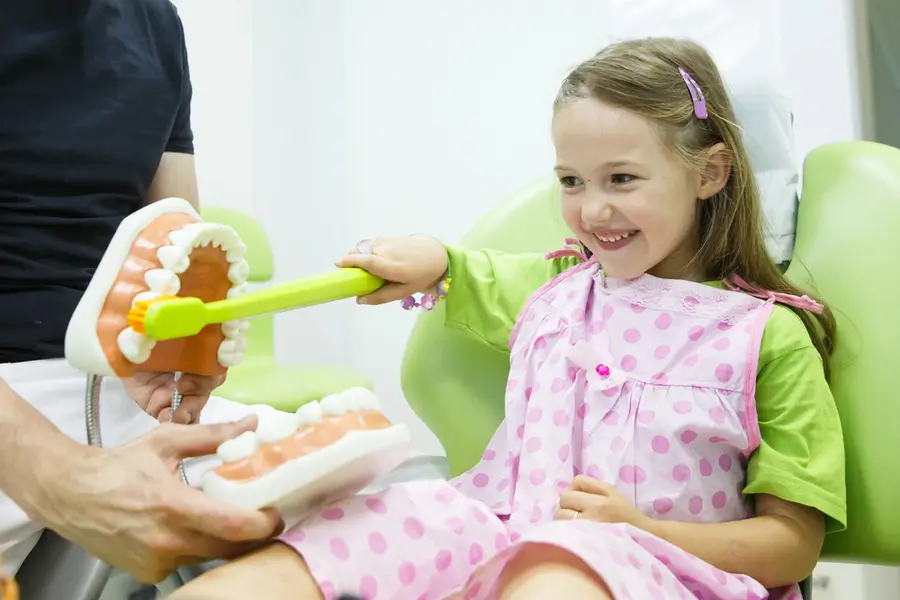
Losing a first baby tooth is one of childhood’s most memorable milestones. For parents, it can also raise questions. Is this happening at the right time? Should a dentist be involved? What happens if a tooth doesn’t come out on its own? This guide covers the full picture of how and when children lose their baby teeth, what to watch for, and how to support their dental health through the transition.
How Many Baby Teeth Do Children Have?
Children develop 20 primary teeth, also called baby teeth or deciduous teeth. These begin to emerge around six months of age and are usually fully present by the time a child is two to three years old.
Each baby tooth holds space for the adult tooth developing beneath it. When the adult tooth is ready to erupt, the root of the baby tooth gradually dissolves, the tooth loosens, and eventually falls out. The adult tooth then pushes up through the gum to take its place.
Children will eventually lose all 20 baby teeth, replaced by 32 permanent adult teeth, including the wisdom teeth that typically emerge in late adolescence or early adulthood.
When Do Children Start Losing Teeth?
Most children lose their first baby tooth at around six years of age. The lower central incisors, the two bottom front teeth, are usually the first to go, followed by the upper central incisors. The process then works its way progressively through the mouth over the following years.
general timeline looks like this:
- Lower and upper central incisors: 6 to 7 years
- Lateral incisors: 7 to 8 years
- First molars: 9 to 11 years
- Canines: 9 to 12 years
- Second molars: 10 to 12 years
By around age 12 to 13, most children have lost all 20 baby teeth and their adult teeth are in place. Some children may complete this transition a little earlier or later, both of which can be completely normal.
What Influences the Timing?
Not every child follows the same schedule, and several factors can influence when teeth are lost:
Genetics. The timing of tooth loss tends to run in families. If you lost your teeth early or late as a child, your child is likely to follow a similar pattern.
Sex. Girls often lose their baby teeth slightly earlier than boys, though the difference is typically minor.
Overall development. Children who develop and grow at a faster pace may also lose teeth earlier.
Oral health history. Early decay in baby teeth can sometimes cause premature loss before the adult tooth is ready to erupt, which may affect spacing and adult tooth alignment. This is one reason why children’s dental check-ups and preventive care matter even for teeth that will eventually be replaced.
If your child hasn’t lost their first tooth by age seven or eight, it’s worth mentioning at their next dental visit, though in most cases it simply reflects individual variation.
What Happens When a Baby Tooth Falls Out?
The process is gradual. As the permanent tooth develops and moves upward within the jaw, it stimulates resorption of the baby tooth’s root. The root essentially dissolves from the tip upward, leaving less and less holding the tooth in place. Eventually the tooth becomes loose, wiggles freely, and falls out.
Once the baby tooth is out, the permanent tooth pushes through the gum and moves into position over the following days. Some mild tenderness as the gum heals is normal. Significant or prolonged pain is not, and is worth raising with your dentist.
Common Concerns for Parents
The adult tooth is coming in behind the baby tooth
One of the most common concerns parents raise is noticing a new adult tooth erupting behind the baby tooth while it is still in place. This is sometimes called a “shark tooth” presentation. In many cases, the baby tooth falls out within a few weeks once the adult tooth has erupted sufficiently. If the baby tooth hasn’t loosened within six to eight weeks, a dental review is recommended, as a simple extraction may be needed to clear the way.
The adult tooth looks crooked
It’s common for newly erupted adult teeth to look slightly crooked, particularly the upper front teeth. As surrounding teeth come in and the jaw continues to grow, alignment often improves naturally. However, some children do develop alignment concerns that benefit from orthodontic assessment. Our orthodontic services include an initial assessment that can identify whether early intervention would be beneficial or whether monitoring is the right approach.
tooth isn’t loosening as expected
If a baby tooth hasn’t fallen out by age 12 or 13, or significantly later than the equivalent tooth on the other side, it’s worth investigating. In some cases the permanent tooth may be absent, positioned incorrectly, or the root of the baby tooth may not be resorbing normally. dental X-ray will clarify what’s happening.
Pain or swelling around a loose tooth
Mild discomfort is normal. Significant pain, swelling of the gum around a loose or newly erupted tooth, or fever alongside dental symptoms may indicate an infection or abscess. These situations warrant prompt attention. If symptoms are acute, emergency dental care is available.
How to Care for Your Child’s Teeth During the Transition
The mixed dentition phase, when children have a combination of baby and adult teeth, requires consistent oral hygiene. Food and plaque accumulate easily in the gaps and around newly erupted teeth, which are particularly vulnerable to decay in their first years.
Brushing. Brush twice daily with a soft-bristled toothbrush and fluoride toothpaste. Children under eight typically need adult supervision and assistance to ensure all surfaces are cleaned properly.
Flossing. Begin flossing as soon as two teeth are touching. Plaque between teeth is not reached by brushing, and this is where early decay in children commonly starts.
Diet. Limit sugary drinks and snacks, particularly between meals. Water and milk are the best drink choices for dental health.
Mouthguards during sport. Once adult front teeth have erupted, they are at risk during contact or ball sports. custom-fitted mouthguard protects against fractures and avulsions that can have lasting consequences for permanent teeth.
Regular dental visits. Professional check-ups every six months allow your dentist to monitor the eruption sequence, identify any alignment concerns early, and provide fluoride treatments and fissure sealants on newly erupted molars. The right recall schedule for your child depends on their individual risk profile, and your dentist can advise on whether six-monthly or more frequent visits are appropriate.
When Should You See a Dentist?
The Australian Dental Association recommends that a child’s first dental visit occur at around 12 months, or within six months of the first tooth appearing. Regular six-monthly visits from that point help establish familiarity with the dental environment and support early detection of any concerns.
According to the Australian Dental Association, children who attend regular dental visits are significantly less likely to develop untreated decay, and early intervention for alignment and spacing issues consistently produces better outcomes than delayed treatment.
Specific situations that warrant a prompt visit outside of the regular schedule include:
- baby tooth knocked out or significantly damaged from an injury
- An adult tooth that has been knocked out or displaced, which requires immediate attention
- Significant pain, swelling, or a visible abscess
- tooth that has been loose for an extended period without falling out
- An adult tooth erupting in an unexpected position
Welcoming Families From Across the North Shore
Our children’s dental care team regularly sees young patients from across the surrounding area. If your family is based in Willoughby, Artarmon, or Castlecrag, our Chatswood practice is easy to reach for routine check-ups and any concerns that come up along the way.
Questions About Your Child’s Teeth?
The transition from baby teeth to adult teeth takes around six years and involves a lot of change. If anything along the way gives you pause, early professional input is always better than waiting. At Simply Dental Chatswood, our team is experienced in paediatric dental care and happy to answer questions at any stage of your child’s development.
Book a consultation and give your child’s smile the best possible start.