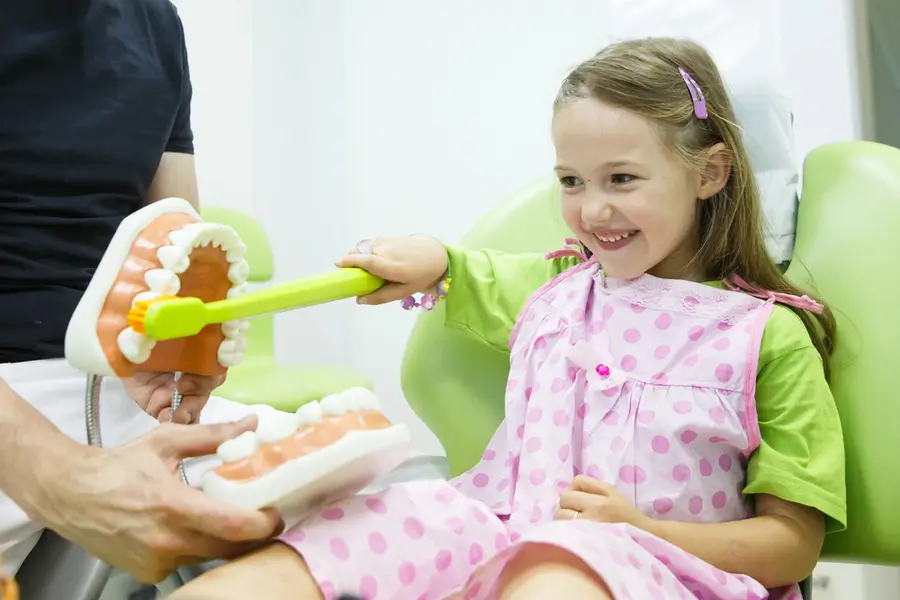
Teething is one of the earliest developmental milestones in a baby’s life, and for many parents it arrives with a mix of excitement and uncertainty. When will the first tooth appear? Why is my baby so unsettled? Is this symptom normal? This guide walks through the full teething timeline, what signs to expect, how to manage discomfort, and when it’s time to involve a dentist.
What Is Teething?
Teething is the process by which a baby’s primary teeth emerge through the gumline. Babies are born with all 20 primary teeth already formed beneath their gums. These teeth begin breaking through in a fairly predictable sequence, starting anywhere from four to seven months of age.
The process continues until the last set of second molars appears, usually between 25 and 33 months. By around three years of age, most children have a full set of 20 primary teeth.
While teething is entirely natural, it can cause real discomfort for some babies and real disruption for families. Knowing what to expect at each stage makes it considerably easier to manage.
The Teething Timeline: Which Teeth Come First?
Teeth don’t arrive all at once. They follow a consistent sequence, starting at the front of the mouth and working back. The table below shows the typical eruption order and age range for each tooth type.
|
Tooth |
Position |
Typical Age |
|---|---|---|
|
Central incisors |
Lower |
6 to 10 months |
|
Central incisors |
Upper |
8 to 12 months |
|
Lateral incisors |
Upper |
9 to 13 months |
|
Lateral incisors |
Lower |
10 to 16 months |
|
First molars |
Upper |
13 to 19 months |
|
First molars |
Lower |
14 to 18 months |
|
Canines |
Upper |
16 to 22 months |
|
Canines |
Lower |
17 to 23 months |
|
Second molars |
Lower |
23 to 31 months |
|
Second molars |
Upper |
25 to 33 months |
These ranges are guidelines, not deadlines. Individual variation is common and expected. A tooth appearing a month or two outside this window is rarely a cause for concern. If you notice significant delays across multiple teeth, or if your child hasn’t had their first tooth by 12 months, it’s worth raising at a dental visit.
Once teething is complete, the jaw and facial bones continue growing and maturing between ages four and six. The primary teeth are then gradually replaced by permanent adult teeth between ages six and twelve, a process covered in detail in our guide to when and why children lose their baby teeth.
Signs and Symptoms of Teething
Every baby experiences teething differently. Some sail through with minimal fuss. Others are noticeably unsettled for days before a tooth breaks through. The most consistently reported symptoms include:
Drooling. Often the first sign. Increased saliva production begins weeks before teeth appear, sometimes as early as three months of age.
Gum swelling and redness. The area where the tooth is pushing through becomes visibly swollen and may appear darker pink or red.
Increased chewing and gnawing. Babies apply counter-pressure to their gums by biting and chewing on anything within reach. This is a self-soothing behaviour.
Irritability and fussiness. The pressure of a tooth pushing through the gum can cause genuine discomfort. Unsettledness is most common in the day or two before the tooth breaks through the surface.
Disrupted sleep. Many parents notice their baby waking more frequently during active teething phases, particularly when back teeth are coming through.
Loss of appetite. Sore gums can make feeding uncomfortable, leading to temporary changes in feeding patterns.
slightly raised temperature. Mild warmth is associated with teething in some babies, but a true fever (above 38°C) is not caused by teething and should always be investigated separately.
Drool rash. Persistent moisture around the chin, cheeks, and neck can cause a mild skin rash. Keeping the skin dry and applying a gentle barrier cream helps manage this.
What Teething Does Not Cause
Teething does not cause high fever, diarrhoea, significant vomiting, ear infections, or respiratory illness. If your baby is displaying these symptoms alongside teething, they have a separate issue that needs medical attention.
How to Soothe a Teething Baby
Most teething discomfort can be managed effectively at home with a few simple approaches.
Gum massage. Gently rubbing a clean finger or wet gauze pad along the gum where the tooth is emerging provides counter-pressure that many babies find soothing. A minute or two of firm, circular massage can ease the discomfort temporarily.
Cold and firm objects. Firm rubber teething rings, chilled but not frozen teething toys, or a clean cold washcloth all provide the combination of counter-pressure and mild cold that works well for most babies. Frozen teething rings are not recommended, as extreme cold can damage delicate gum tissue.
Cold foods. For babies who have started solids, chilled foods such as yoghurt, puréed fruit, or a cold cucumber stick (supervised) can provide relief while also offering nutrition.
Pain relief medication. Where distress is significant, age-appropriate doses of paracetamol (suitable from two months) or ibuprofen (suitable from six months) can be used. Always follow the dosage instructions based on the child’s weight, not just age.
Teething gels. Over-the-counter teething gels are available, but their effectiveness is limited given that saliva quickly dilutes the active ingredients. Consult your pharmacist or GP before using any topical gel, particularly those containing benzocaine, which is not recommended for infants.
Comfort and distraction. Cuddling, gentle rocking, and engaging activities can shift a baby’s attention away from gum discomfort. The psychological comfort of a parent is not to be underestimated.
When Should Your Baby See a Dentist?
Paediatric dental care at Simply Dental Chatswood follows the same recommendation as the Australian Dental Association: schedule a child’s first dental visit by their first birthday, or within six months of the first tooth erupting, whichever comes first.
This may seem early, but there are good reasons for it. Even baby teeth are susceptible to decay. Early childhood caries, sometimes called bottle tooth decay, can develop rapidly once teeth are present and is entirely preventable with the right guidance. An early visit allows the dentist to assess the teeth and gums, review the baby’s feeding and hygiene routine, and provide parents with practical advice tailored to their child’s specific development.
It also establishes a relationship with a dental team before any problems arise, which significantly reduces dental anxiety in older children. child’s first visit to a dental clinic is designed to be calm, exploratory, and positive, setting the tone for a lifetime of comfortable dental care.
Your child’s first dental visit doesn’t need to wait until something is visibly wrong. Bringing them in early is the most effective preventive measure available.
According to the Australian Dental Association, establishing regular dental visits from infancy is one of the most evidence-based strategies for lifelong oral health and reduced treatment burden throughout childhood.
Reasons to seek care promptly outside of the regular schedule include:
- First tooth hasn’t appeared by 12 months
- Significant delay compared to the equivalent tooth on the other side
- Swelling, visible abscess, or signs of infection around any tooth
- trauma or injury to the mouth or teeth
For acute dental concerns, emergency dental care is available.
Caring for Baby Teeth From the Start
Good oral hygiene begins before the first tooth even appears. Wiping the gums with a clean damp cloth after feeds removes milk residue and bacteria, and helps babies become accustomed to having their mouth cleaned.
Once the first tooth erupts:
- Brush twice daily with a soft infant toothbrush and a rice-grain sized smear of fluoride toothpaste
- Begin flossing once two teeth are touching
- Avoid putting a baby to sleep with a bottle containing anything other than water, as milk pooling against the teeth overnight is a primary driver of early decay
- Limit fruit juice, which is high in natural sugars and acidic
The habits established during the first few years of life shape a child’s relationship with oral health for the long term. Consistent, gentle routines started early make dental care feel normal rather than stressful.
Welcoming Families From Across the North Shore
Our children’s dental team regularly sees infants and young children from across the surrounding area. If your family is based in Willoughby, Artarmon, or Castlecrag, our Chatswood practice is easy to reach for your baby’s first dental visit and ongoing paediatric care.
Ready to Book Your Baby’s First Dental Visit?
The best time to establish a dental home for your child is now, before any problems arise. At Simply Dental Chatswood, our team makes first visits gentle, informative, and as straightforward as possible for both baby and parent.
Book your child’s first appointment and give their smile the best possible start.